
The Grimké Brothers
It’s impossible to spend much time reading about the abolition and women’s suffrage movements in early 19th century America without running across the Grimké sisters. Sarah and Angelina Grimké were among the leading lights of both those civil rights movements prior to the Civil War, and I have long admired their courage and dedication to promoting social equality. It was only recently, however, that I learned that Sarah’s and Angelina’s nephews—the Grimké brothers—were among the leading lights of late 19th century and early 20th century intellectual and civil rights movements. They were also Black, and their experiences, like those of many people of color, have largely vanished from our historical narrative. In honor of Black History Month, here is the story of the Grimké Brothers, prefaced by that of their more famous aunts.
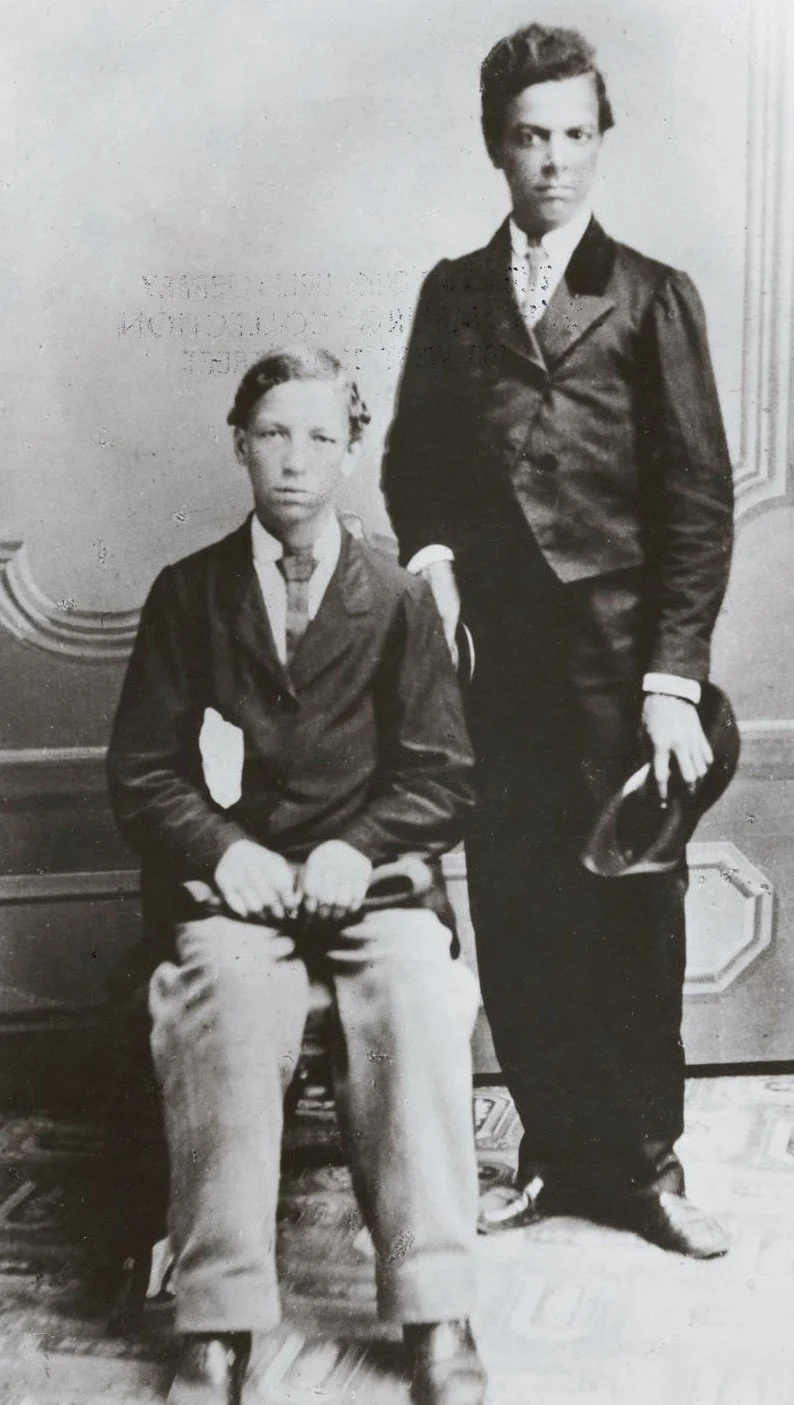
Francis and Archibald Grimké. c 1865. Image from the Schomburg Center for Research in Black Culture, Photographs and Prints Division, The New York Public Library.
Sarah and Angelina Grimké were the daughters of John Faucheraud Grimké, a prominent state legislator, judge, planter, and enslaver of hundreds of human beings in Charleston, South Carolina. The Grimké sisters grew up surrounded by enslaved people and were told by their family and culture that these people were inferior to them. For Sarah and Angelina, this experience was transformational. Both of the sisters concluded that enslaving people was repugnant and morally wrong. Sarah, born in 1792, became a Quaker and, in 1821, left her family and the comfortable life of a wealthy planter to move to Philadelphia. Angelina, 13 years younger, remained in Charleston until 1829, when she joined her sister in Philadelphia and as a Quaker after being expelled from the Presbyterian church in Charleston (Lerner 1963; Perry 2002; Greenridge 2022).
Angelina’s fervent abolitionism continued after her move to the north. In 1835, a letter she wrote to William Lloyd Garrison was published in his abolitionist newspaper The Liberator, and she went on to write a treatise aimed at Southern women, encouraging them to take action to abolish slavery. Sarah also began to publish on the issues of abolitionism and women’s rights. Both sisters became frequent public speakers, using their personal experiences to educate northern audiences about the horrors of slavery (Lerner 1963). The mere fact that they spoke in public, often to so-called “promiscuous” audiences that included both men and women, was radical in its own right, and the frequent criticism they received only led them to a greater commitment to the rights of women (Perry 2002; Greenridge 2022).
In 1838, Angelina married abolitionist Theodore Weld in a ceremony held in advance of an abolitionist convention in Philadelphia. When the convention began, Angelina spoke before an audience that included both Black and white men and women while an anti-abolitionist riot raged outside the building, which was burned to the ground shortly after the abolitionists vacated it. After Angelina’s marriage, both sisters spoke less often in public but continued to write extensively. Together with Weld, they published, in 1839, American Slavery as It Is: Testimony of a Thousand Witnesses, a book that brought together personal narratives of former southerners like the Grimké sisters with items from southern newspapers to highlight the abuses experienced by enslaved people. This book was a major influence in the growing American abolition movement and was the inspiration for Harriet Beecher Stowe’s influential novel Uncle Tom’s Cabin (Lerner 1963; Perry 2002; Greenridge 2022).
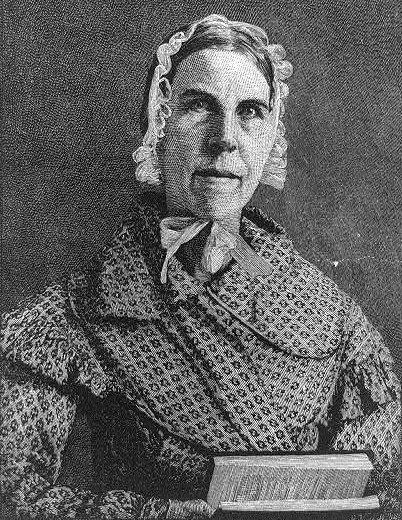
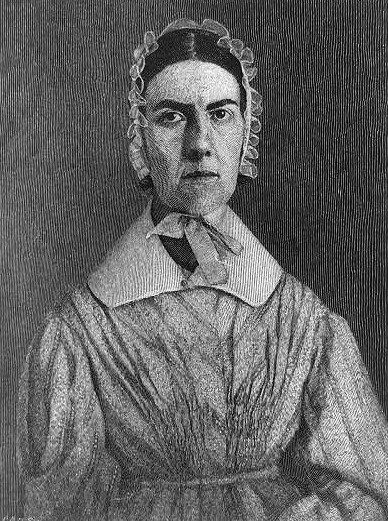
Sarah Moore Grimké. (left) and Angelina Grimké Weld. (right) No date. Images from the Library of Congress.
Sarah’s and Angelina’s father died in 1819, leaving his plantation and the enslaved people who lived on it to his son Henry Grimké. After the death of his wife in 1843, Henry moved to a plantation outside of Charleston where he lived with Nancy Weston, an enslaved woman. Henry and Nancy had three sons—Francis, Archibald, and John, who was born shortly after his father’s death. Henry acknowledged the boys as his children but did not free them from enslavement. When he died in 1852, his will specified that his Black sons—all infants or toddlers at the time—continue to be treated as family. Initially, Henry’s heir let the boys live freely with their mother, albeit with little financial support, but later took them as house servants and eventually sold Francis to a Confederate officer, leading Archibald to run away (Perry 2002; Greenridge 2022).
The Grimké brothers were freed from enslavement in January 1863 by the Emancipation Proclamation but did not experience that freedom until Union troops occupied Charleston in February 1865. They had been taught to read and write by their mother, who learned the skill from Henry Grimké, so they enrolled in the Morris Street School, a freedman’s school in Charleston. All three brothers later attended Lincoln University in Pennsylvania, where they were considered excellent students. When Sarah and Angelina learned about their Black nephews in 1868, after seeing their surname in a newspaper article, they offered to pay for any further education the brothers might want, and both Archibald and Francis took advantage of this assistance. [1] The sisters also welcomed their nephews into their home, attended their graduation ceremonies, and corresponded with them regularly (Lerner 1963; Perry 2002; Greenridge 2022).
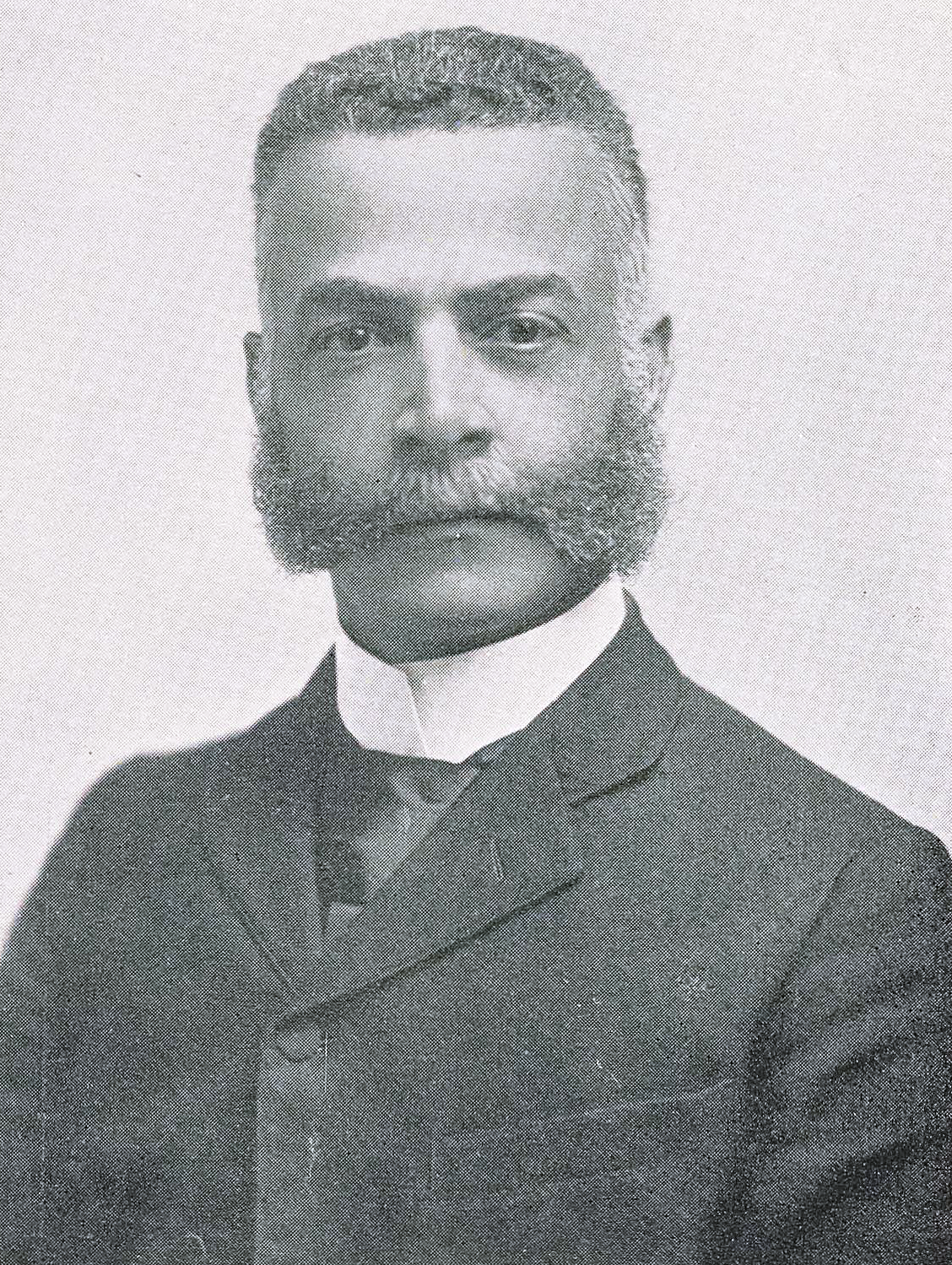
Archibald Henry Grimké, born in 1849, graduated from Lincoln University in 1870 and from Harvard Law School in 1874. He practiced law in Boston and became active in politics, including serving as the U.S. consul to the Dominican Republic from 1895 to 1897. Like his aunts, he was a prolific writer and speaker on the topic of equal rights for Back Americans and for women. He wrote for, edited, and published a number of Black newspapers, becoming a prominent critic of both Republican and Democratic politicians who did not adequately support racial equality. In 1909, he became a founding member of the National Association for the Advancement of Colored People (NAACP) and went on to serve as its national vice president and as president of the Washington, DC, chapter until his death in 1930 (Perry 2002; Greenridge 2022).
Archibald Henry Grimké. August 1900. Image from the The Colored American Magazine 1(3): 184.
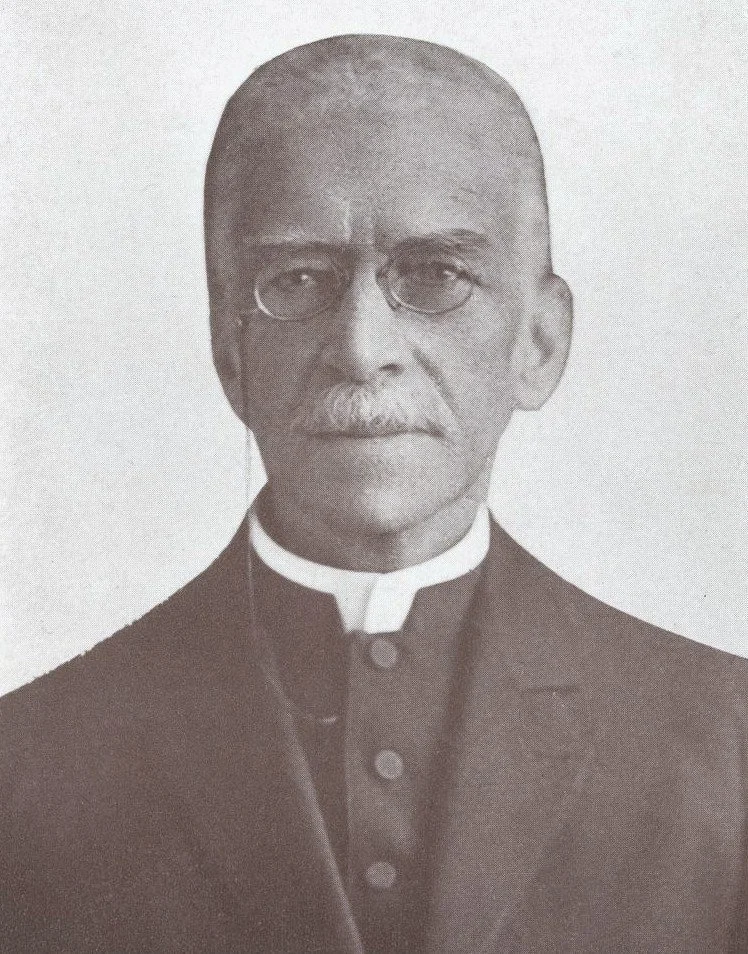
Francis James Grimké, born in 1850, graduated from Lincoln University with his brother in 1870 and from Princeton Theological Seminary in 1877. He was ordained as a Presbyterian minister and spent a long career at the Fifteenth Street Presbyterian Church in Washington, DC, serving there until 1923. He spoke frequently from the pulpit on issues of racism and white supremacy and, like his brother, was a prolific writer. He took an active stance against the racism he experienced as a Black minister in a predominantly white denomination. He was also an outspoken critic of Booker T. Washington’s emphasis on vocational education, and both he and his brother were founding members of the American Negro Academy, an organization that supported Black contributions to scholarship and the arts (Weeks 1973; Perry 2002; Greenridge 2022).
Francis James Grimké. 1927. Image from the Schomburg Center for Research in Black Culture, Photographs and Prints Division, The New York Public Library.
The era in which Archibald and Francis lived was one of great change and uncertainty. The Civil War ended the enslavement of human beings, but the nation was then faced with adapting to the presence of free Black Americans, who most white Americans still considered inferior. In the half century following the war, Black Americans themselves struggled with the best approach to advancing their race and combatting white supremacy. Archibald and Francis represent W.E.B. Dubois’s idea of the “talented tenth,” the Black elite whose talent and education could be turned toward promoting social change. Their many successes were part of a much larger movement of Black intellectuals whose work continues to influence contemporary ideas about civil rights (Perry 2002).
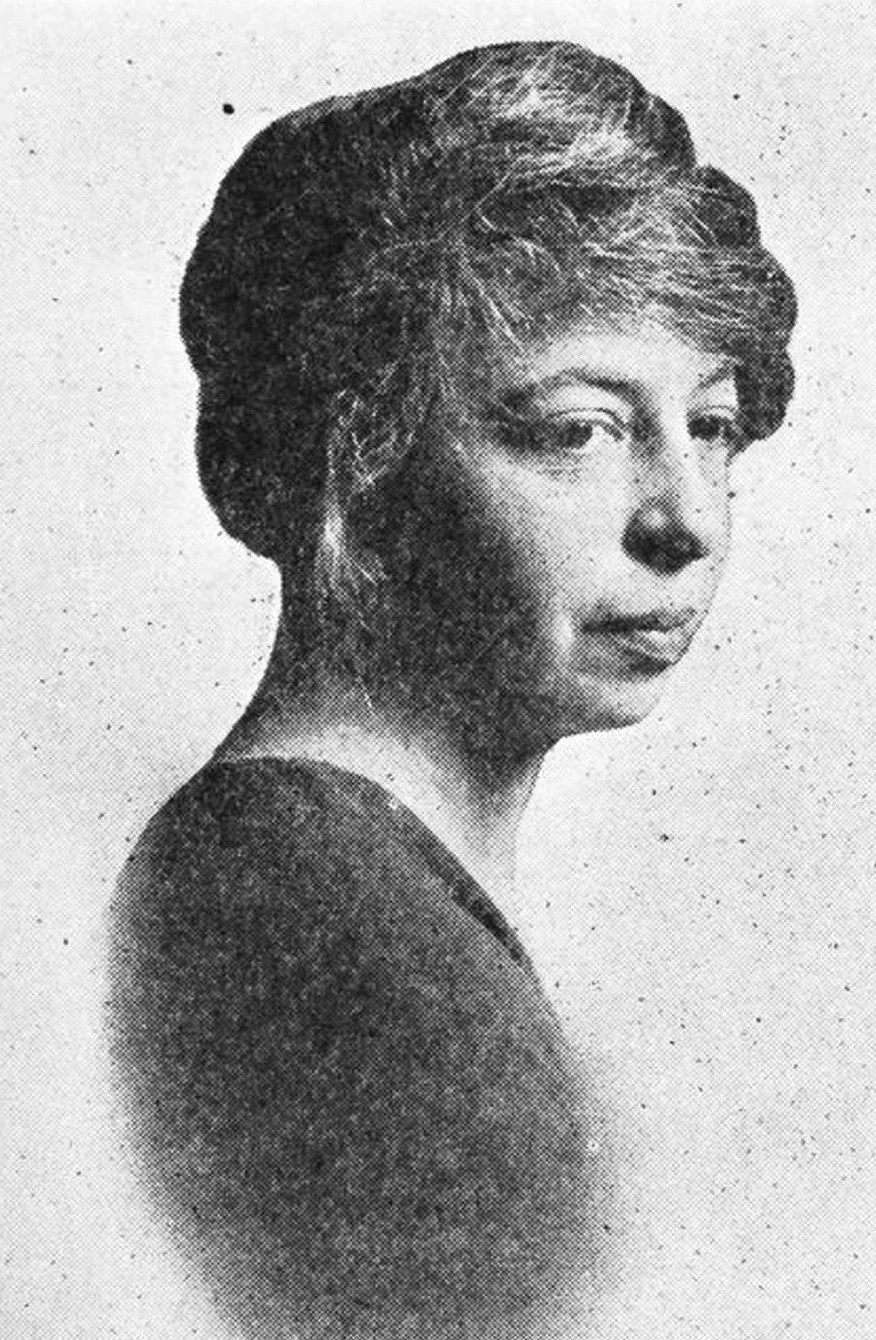
Archibald’s daughter, Angelina Weld Grimké, born in 1880 and named for her famous great-aunt, was another example of the “talented tenth,” although her gender meant that she would not always be recognized as such. Nonetheless, she found success as writer during her lifetime. Her essays, poems, and stories were widely published in the Black press, including in a number of anthologies put together by the leading writers of the Harlem Renaissance. She is best known for her play Rachel, which addresses the horror of lynching and was staged in Washington, DC, in 1916 and in New York City and Cambridge, MA, in 1917. Angelina said of this play that she intended to invoke in white women a sense of sisterhood with Black women, a strategy that was also used by her great-aunts in their abolitionist work.
Angelina Weld Grimké. 1923. Image from the Schomburg Center for Research in Black Culture, Photographs and Prints Division, The New York Public Library.
For all her success, Angelina’s life was a challenging one. As a queer Black woman, she faced a great deal of prejudice, including from her own family for whom her sexuality and rejection of traditional gender roles was an uncomfortable subject (Miller 1978; Greenridge 2022).
Without a doubt, the Grimké sisters deserve the attention paid to them. As the only southern women active in the abolition movement in the 1830s, they had a unique moral authority, and their refusal to be publicly silenced because of their gender was an inspiration to the women’s rights advocates who came after them. I think it’s a shame, though, that their nephews and great-niece are so often left out of their story. Relationships between white enslavers and the Black women they owned were so prevalent in the antebellum era that it was common for white southern families to have Black relatives. It was much less common for those families to acknowledge their Black kin. As the lives of the Grimké brothers and Angelina Weld Grimké show, that’s a great loss to those families and to the nation.
[1] John Grimké was largely estranged from the rest of the family after leaving Lincoln University.
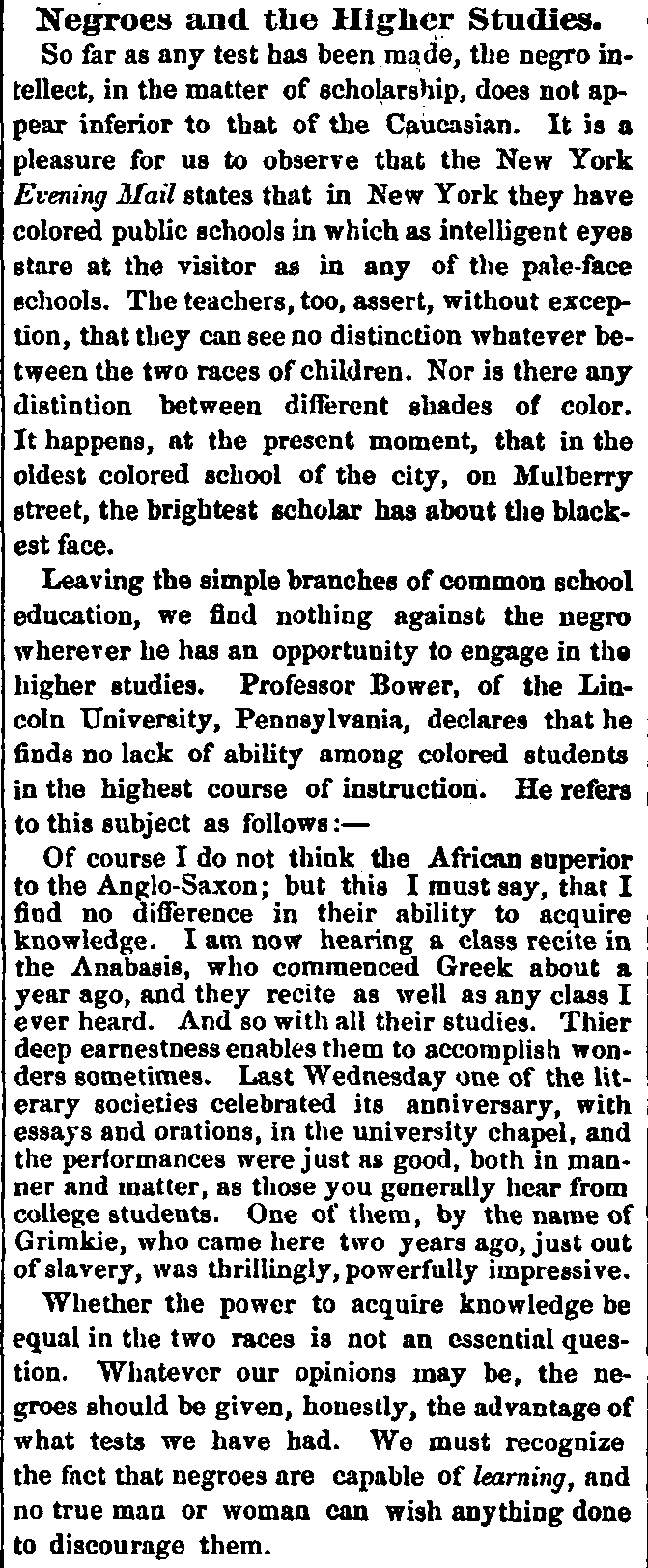
Newspaper article through which the Grimké sisters first learned of their nephews. “Negroes and the Higher Studies.” Boston, MA, Commonwealth, February 1, 1868, p. 2.
Works Cited
Greenridge, Kerri K. 2022. The Grimkés: The Legacy of Slavery in an American Family. New York: Liveright.
Lerner, Gerda. 1963. “The Grimké Sisters and the Struggle Against Race Prejudice.” The Journal of Negro History 48 (4): 277-291.
Miller, Jeanne-Marie A. 1978. “Angelina Weld Grimké: Playwright and Poet.” CLA Journal 21 (4): 513-524.
Perry, Mark E. 2002. Lift Up Thy Voice: The Grimké Family's Journey from Slaveholders to Civil Rights Leaders. New York: Viking Penguin.
Weeks, Louis B. III. 1973. “Racism, World War I and the Christian Life: Francis J. Grimké in the Nation's Capital.” Journal of Presbyterian History 51 (4): 471-488.