
The Grimké Brothers
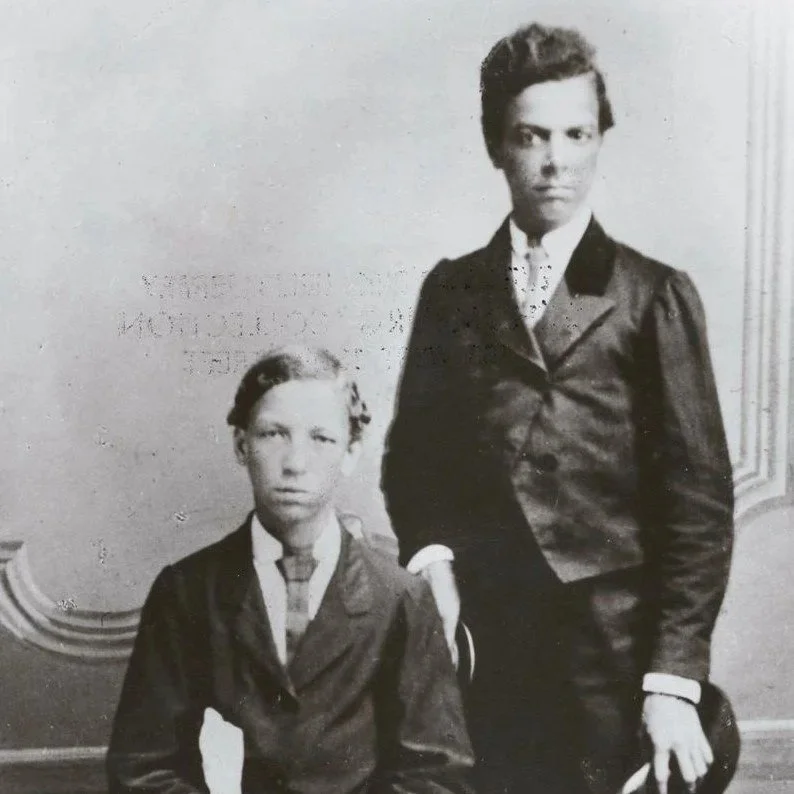
It’s impossible to spend much time reading about the abolition and women’s suffrage movements in early 19th century America without running across the Grimké sisters. Sarah and Angelina Grimké were among the leading lights of both those civil rights movements prior to the Civil War, and I have long admired their courage and dedication to promoting social equality. It was only recently, however, that I learned that Sarah’s and Angelina’s nephews—the Grimké brothers—were among the leading lights of late 19th century and early 20th century intellectual and civil rights movements.
Starvation and Bad Treatment
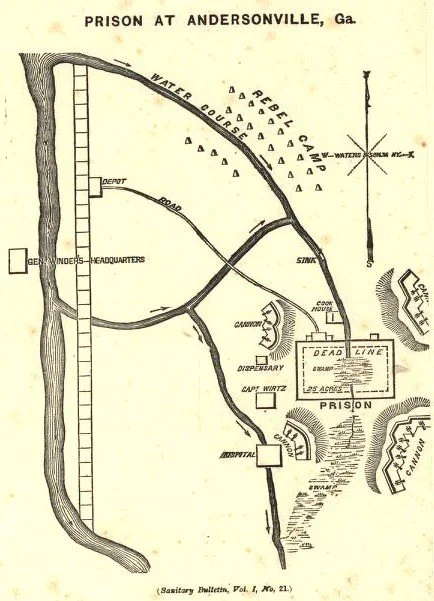
When the Civil War began in April 1861, the United States had only a small standing army. Over the next year, volunteer regiments were recruited from all the Northern states. One such regiment was the 103rd Pennsylvania Volunteer Infantry, which was established in Kittanning, Pennsylvania, northeast of Pittsburgh, and enlisted men from the midwestern section of the state (Dickey 1910). Five of my relatives were among the men who volunteered for this regiment. These included my four-times great-grandfather Reese Thompson, who was nearly 50 years old but told the army he was 43, his 14-year-old son Milton, and his nephew and namesake Reese Shay.
The Real McCoy
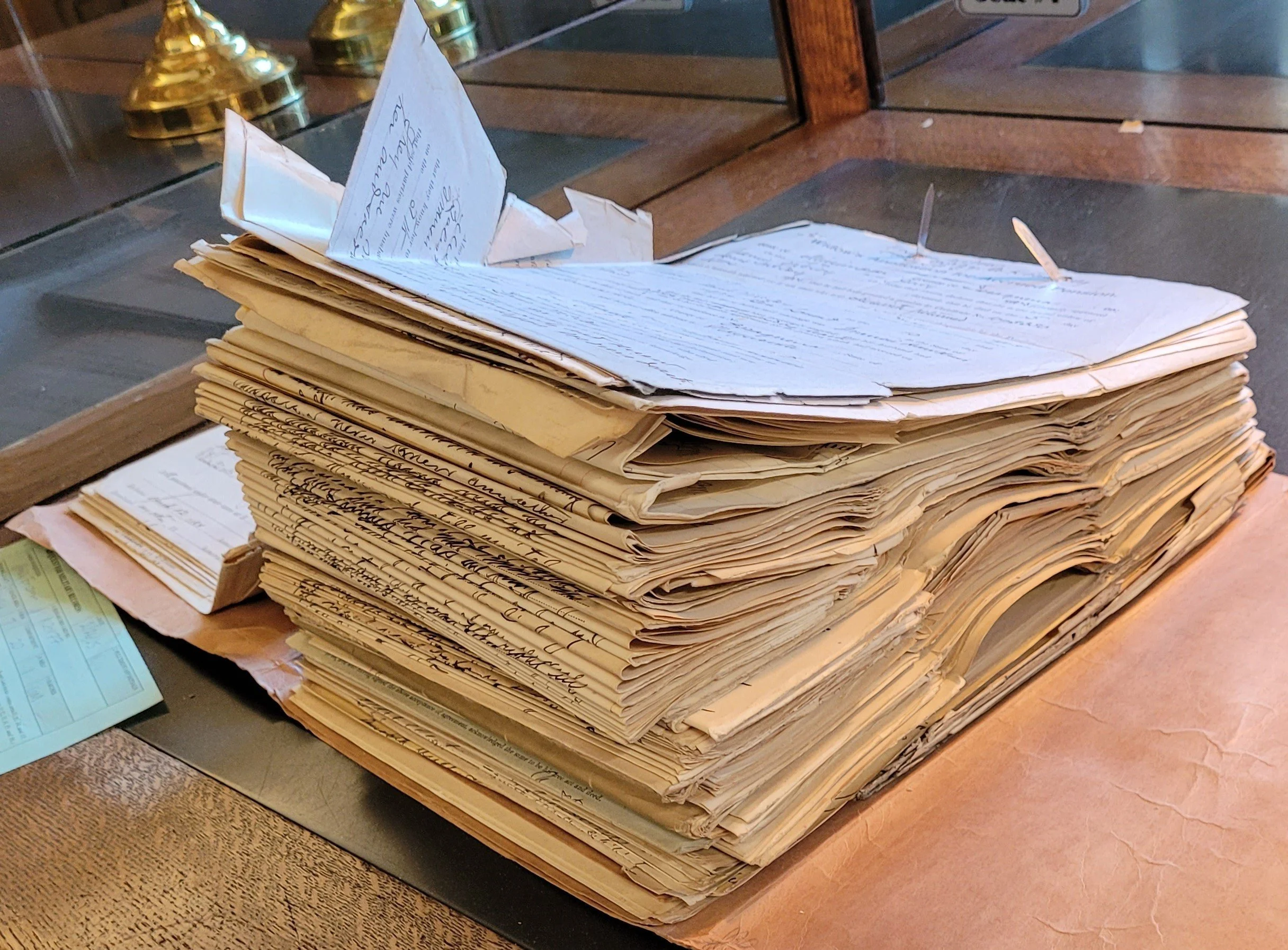
When you’re working with Civil War pension files at the National Archives, you never really know what you’re going to get. A soldier’s file could be a few pages or a few hundred. It could include a simple rejection or repeated special investigations. If you’re lucky, it might include something like a photograph or an original marriage certificate. I’ve looked at a lot of pension files over the years and know to expect the unexpected, but nothing could have prepared me for Lewis McCoy. As this photo shows, it was a monster.
Occupation: Legislator
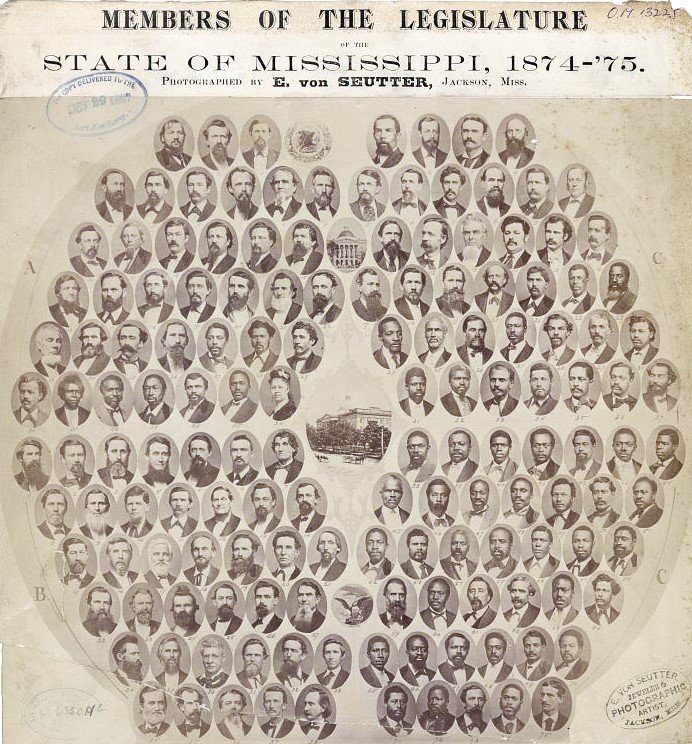
I'm running behind on blog posts because I spent the last several weeks in Washington. DC. working in the National Archives on a project related to the 66th U.S. Colored Infantry (USCI) regiment. In (belated) honor of Black History Month, I’d like to share the stories of two of the enlisted men who served in this regiment during the Civil War.