
Friends of Humanity
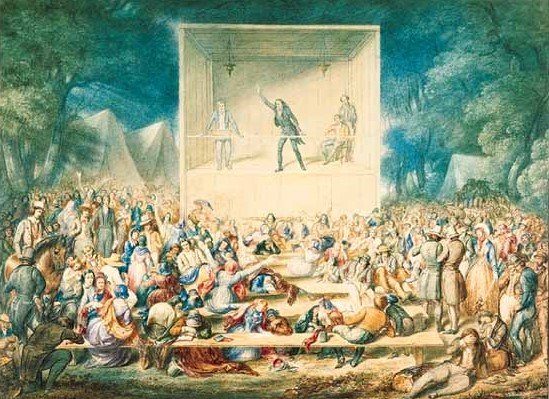
Some time ago, I wrote about my five-times great-grandfather Thomas Longley, who moved his family from New York City down the Ohio River to Kentucky in 1788. Thomas was a Baptist. I don’t know if he was raised in the denomination or converted at some point, but I know he attended the First Baptist Church of New York City, where he served as a deacon from 1787 until his departure to Kentucky (Parkinson 1846). Thomas continued to practice his Baptist faith in Kentucky, joining the Mays Lick Baptist Church as one of its earliest members (Goins 1980).
Every Family Has a Maverick, Part 2
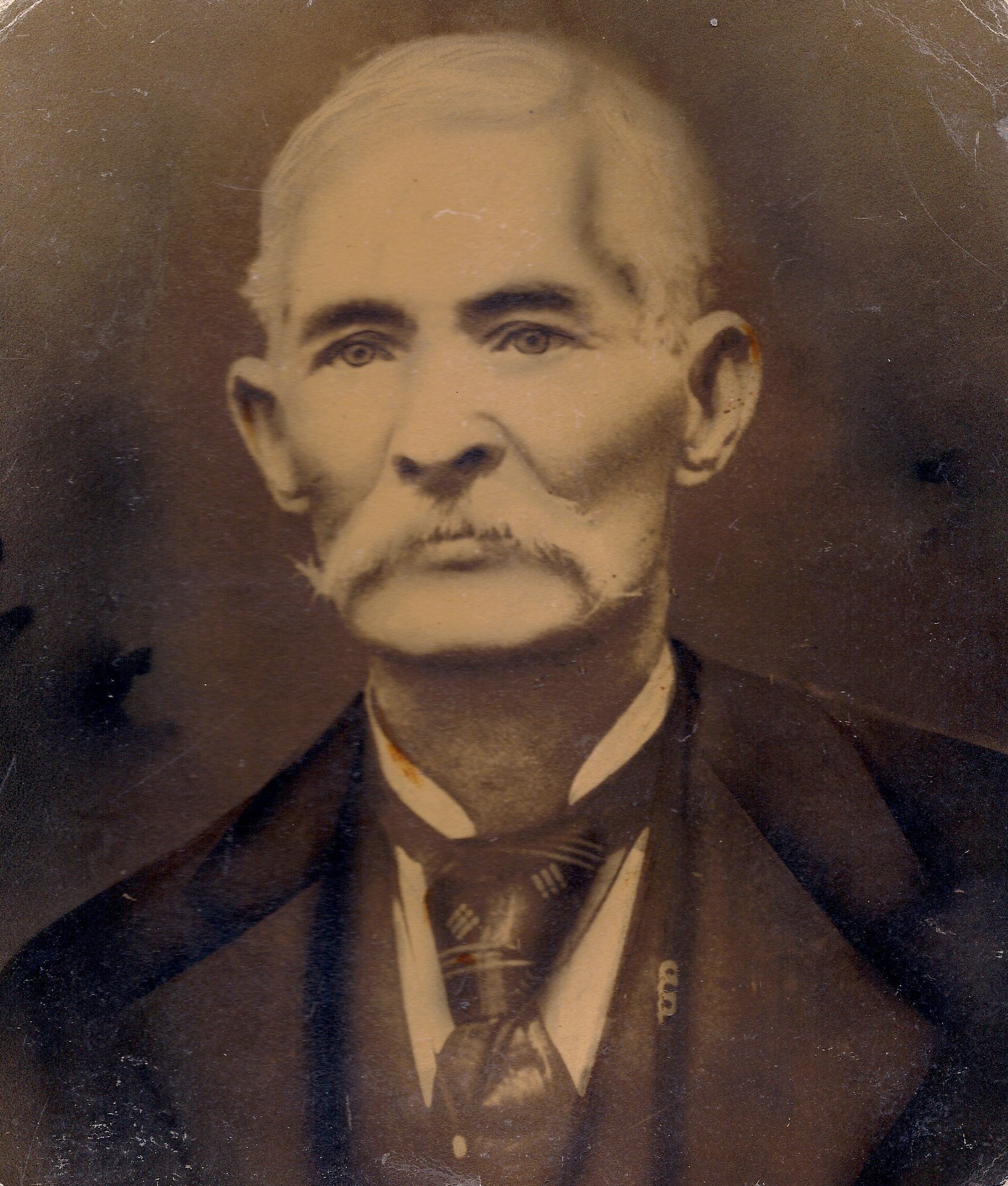
When we last left our intrepid protagonist, John Jones, the Civil War veteran formerly known as Walter W. Collins, he had been honorably discharged from the army in February 1866 in Little Rock, Arkansas, and was settling into a new life. Somewhere along the way, he had picked up skills in the building trades and was now working as a brick mason.

Every Family Has a Maverick, Part 1
Every family has a maverick (or two), and one of my family’s mavericks was my great-great-great-grandfather Walter White Collins. Walter was born in Guernsey County, Ohio, in 1838 and moved with his family to Lineville in south central Iowa around 1855. In 1857, Walter, then 19 years old, married Elizabeth Paul, and settled on a small farm next to those owned by his father and two older brothers. He and Elizabeth had two children over the next few years, and had it not been for the Civil War, that might well have been the end of his story.

Who Needs the Mason-Dixon Line?
In reading about Pennsylvania, as I have been doing a lot lately, I have come across many references to the Mason-Dixon line, the southern boundary of the colony and eventually the state. We’re all familiar with the Mason-Dixon line, of course. It has served as a powerful symbol of the division between the free North and the slaveholding South, the line enslaved people had to cross to escape to freedom. Despite that knowledge, it had never before occurred to me to wonder why the Mason-Dixon line exists at all. It’s quite a story, involving royal patronage, feuding families, a minor war, a famous lawsuit, and some cutting-edge science.