
Declaring Independence
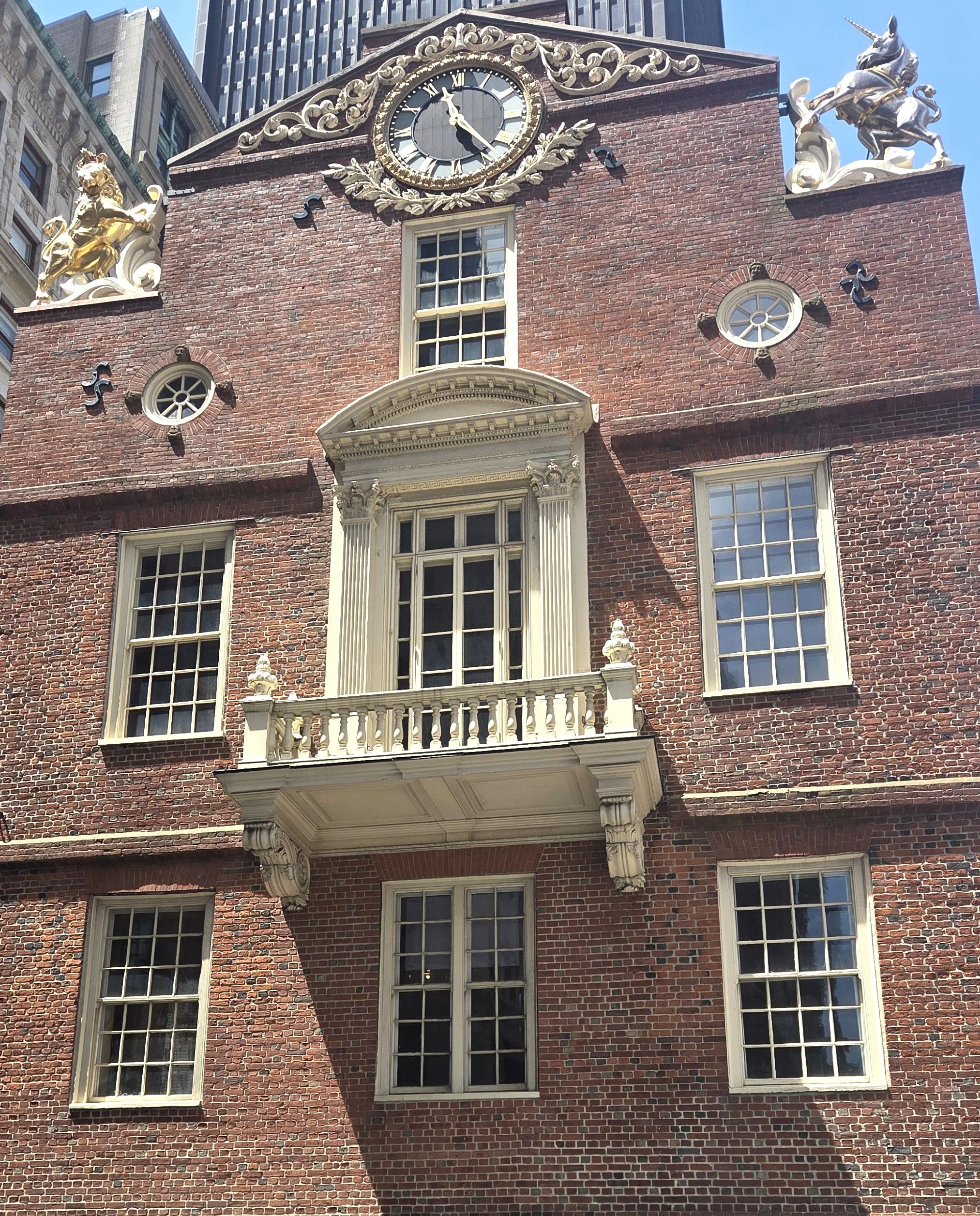
I was recently in Boston, Massachusetts, where I visited the Old State House, built in 1711 to hold the offices of the colonial governor and council. There I learned that the Declaration of Independence was read from the building’s balcony on July 18, 1776. The task of reading the Declaration fell to William Greenleaf, the sheriff of Suffolk County and my third cousin eight times removed. Unfortunately, William’s voice was quite weak so he was obliged to recruit the help of Thomas Crofts, who repeated each line after William read it.
The Dominion of New England
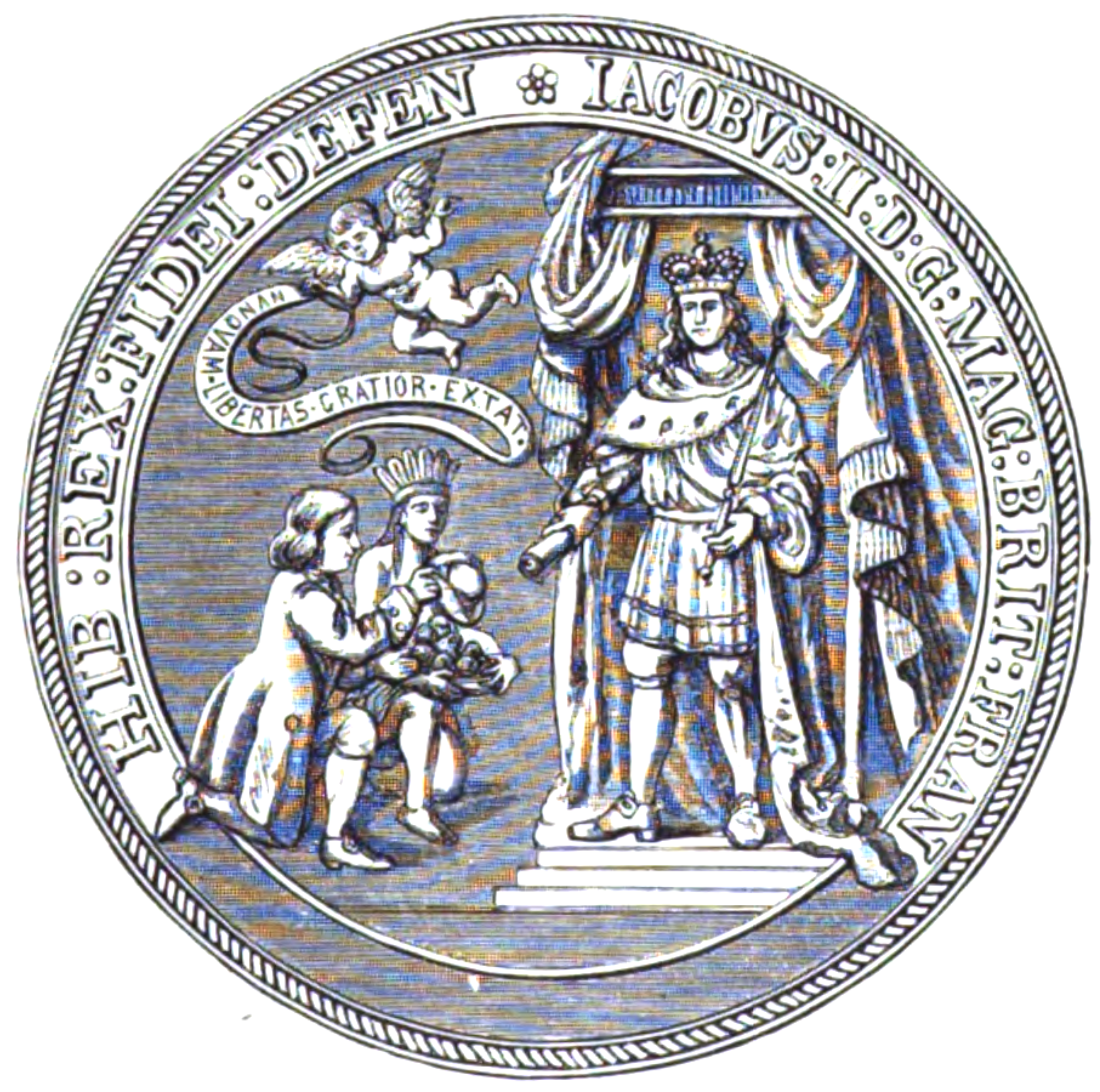
Growing up, one of my favorite books was The Witch of Blackbird Pond by Elizabeth George Speare. The novel, which won the Newbery Medal in 1959, tells the story of a young woman who, in 1687, comes to live with Puritan relatives in Wethersfield, Connecticut (Speare 1958). So I was delighted to discover relatives of mine among the founders of the earliest English settlements in Connecticut, including Wethersfield.
Lost on the Lady Elgin
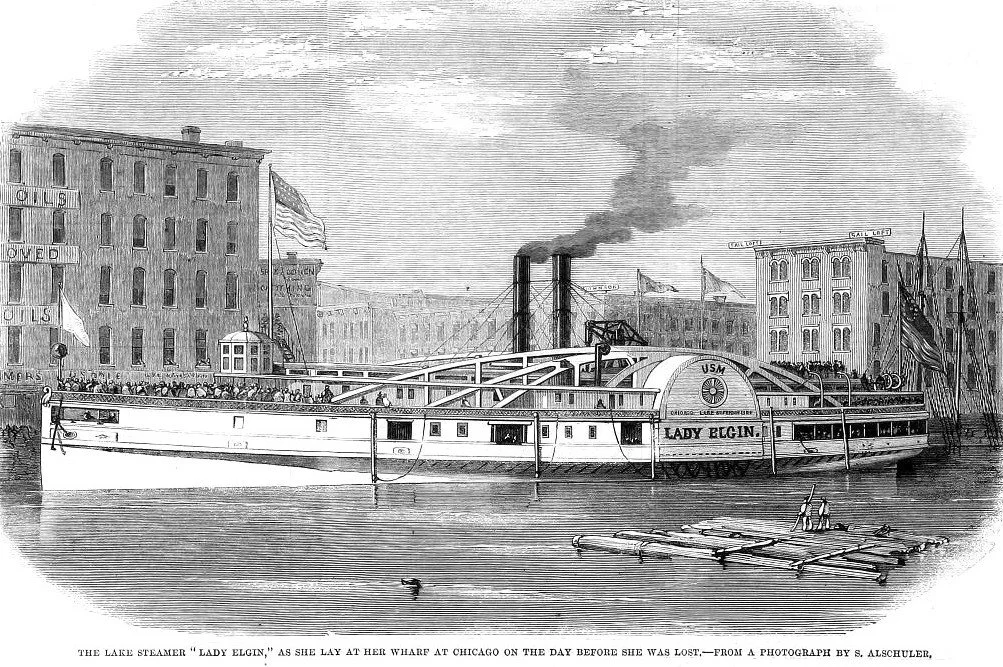
On September 8, 1860, the steamship Lady Elgin, overloaded with passengers on a fundraising excursion, sank on Lake Michigan, an incident which remains the deadliest wreck on the open waters of the Great Lakes
Refugees in London
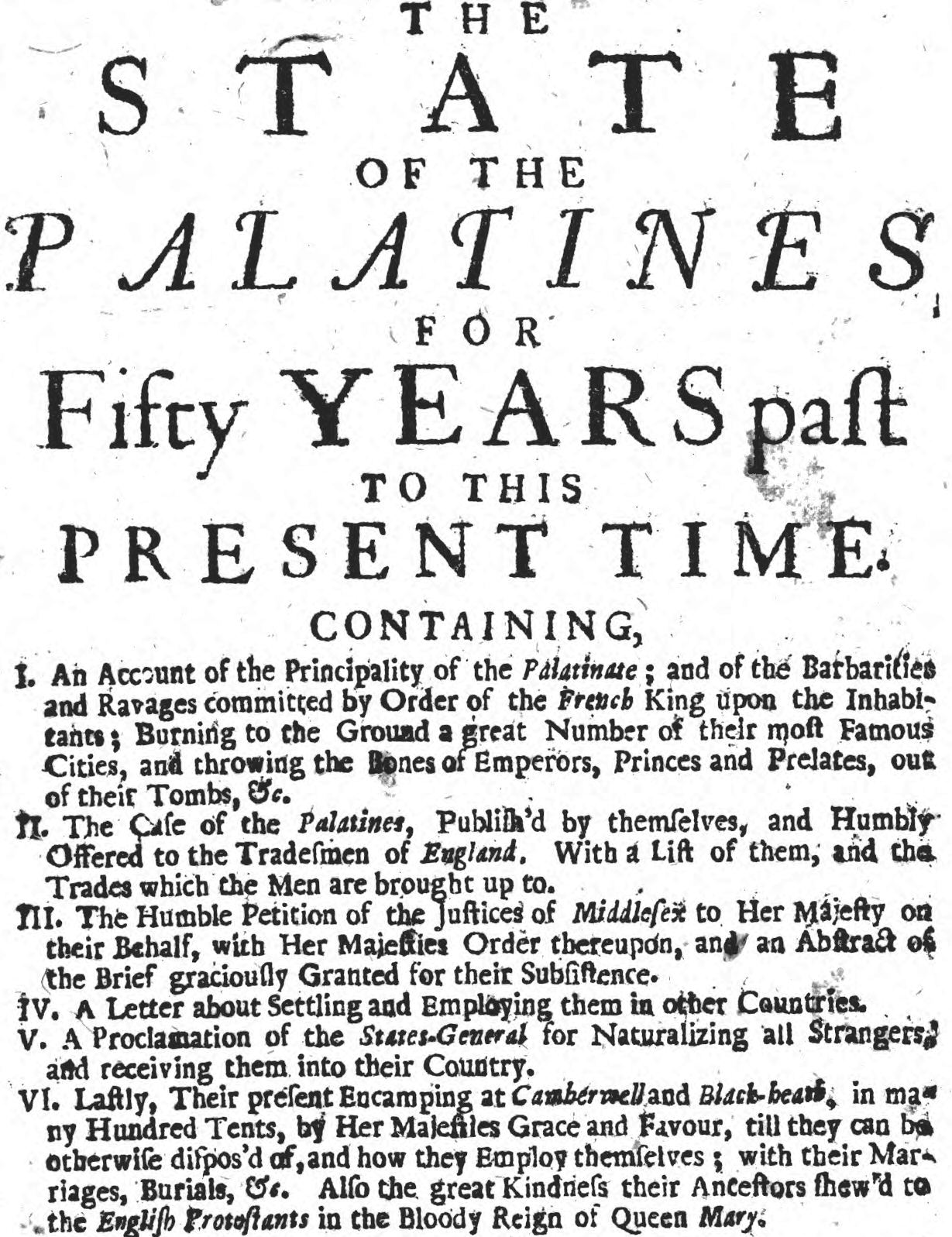
When I think of early immigration to the United States from the part of Europe that is now Germany, I tend to think of German settlers in Pennsylvania, many of whom were religious dissenters like the Mennonite ancestors I have written about in a previous post. As a result, I was quite surprised to learn that my seven-times great-grandfather, Johann Henrich Krantz, arrived in New York in 1710 and settled along the Hudson River in Ulster County. As I learned more about why he arrived when and where he did, I came to see many parallels between his experience and that of refugees and asylum seekers today.