

The Long Road to Independence
A small, brown paper bag filled with mostly unlabeled, curling photos revealed history that I had never learned about in school. My grandfather, Louis A. Hoch, was a career U.S. Army officer. I knew that he had been stationed in the Philippines for a short time, but I knew nothing else about that period in his life.
Thorough, Practical, and Refined
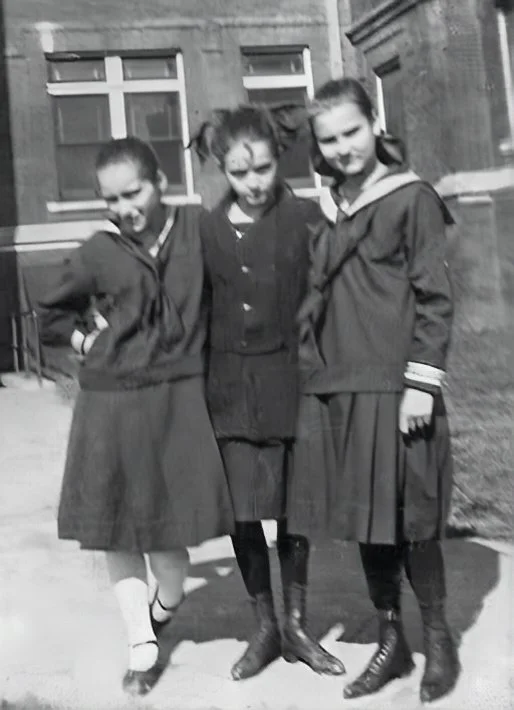
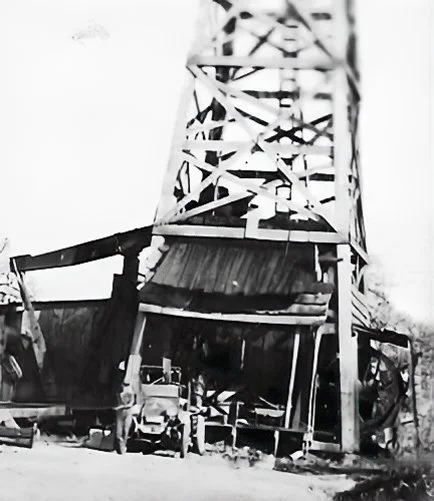
As I wrote in a recent post, my great-grandfather Frank Barnhart was an oil driller who worked the North Texas oil boom. At the time, my grandmother Dorothy Barnhart was 11 years old, ready to start 6th grade, and Frank and his wife felt that an oil boom town wasn’t the best place for her to get an education. They decided to send her to boarding school at Our Lady of Victory Academy, a Catholic girls’ school in Ft. Worth, Texas.
Drilling Rigs and Boomtowns
When I was in high school, I went on a summer program to England. That was during the era of the television show Dallas, and as a Texan, I got the usual questions about horses, cowboys, and oil wells, none of which I knew much about. The funny thing is that my family, like many others in the state, actually does have a strong connection to the Texas oil industry. In fact, my Barnhart great-grandparents would never have come to Texas if it hadn’t been for the lure of “black gold.”
At Home in the Arctic
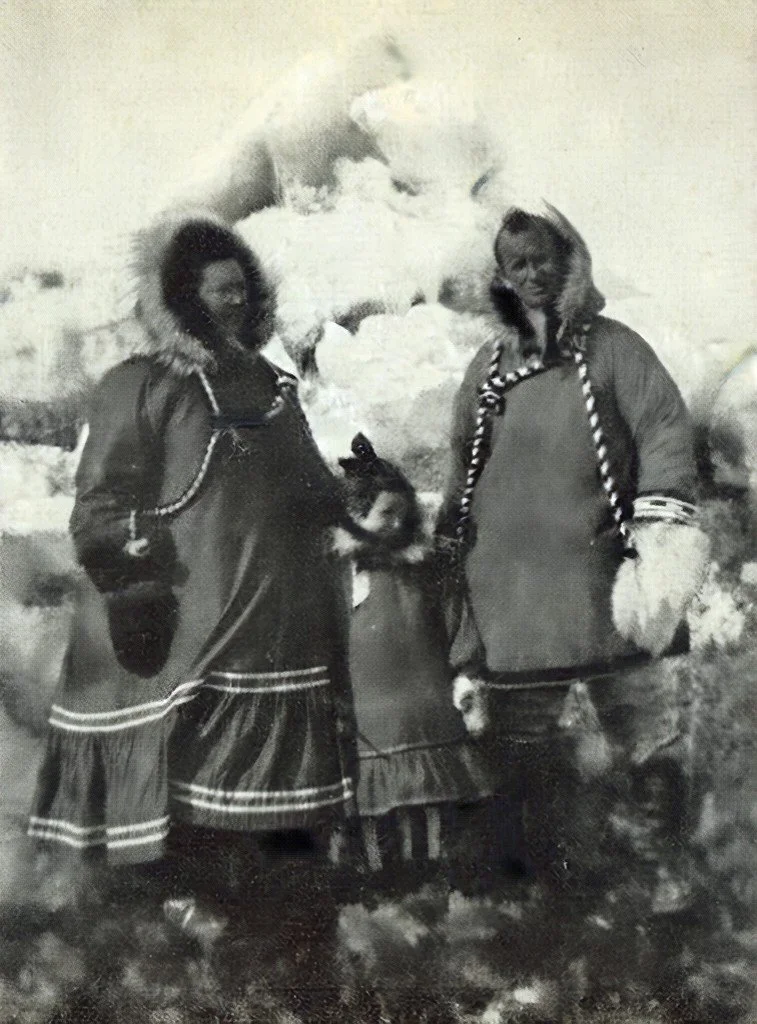
Some time ago, I wrote about my great-grandfather’s cousin Ethel Barnhart and her husband William Van Valin, who in 1911 became teachers in a school for Alaskan Natives run by the U.S. government. After four years, Will and Ethel returned to the continental United States, bringing with them a large collection of Native Alaskan artifacts, many of which they sold to the Penn Museum, a Philadelphia anthropological museum affiliated with the University of Pennsylvania. A few years later, when the Penn Museum was offered funding for a research expedition to northern Alaska, museum staff turned to Will to lead the effort.