
Declaring Independence
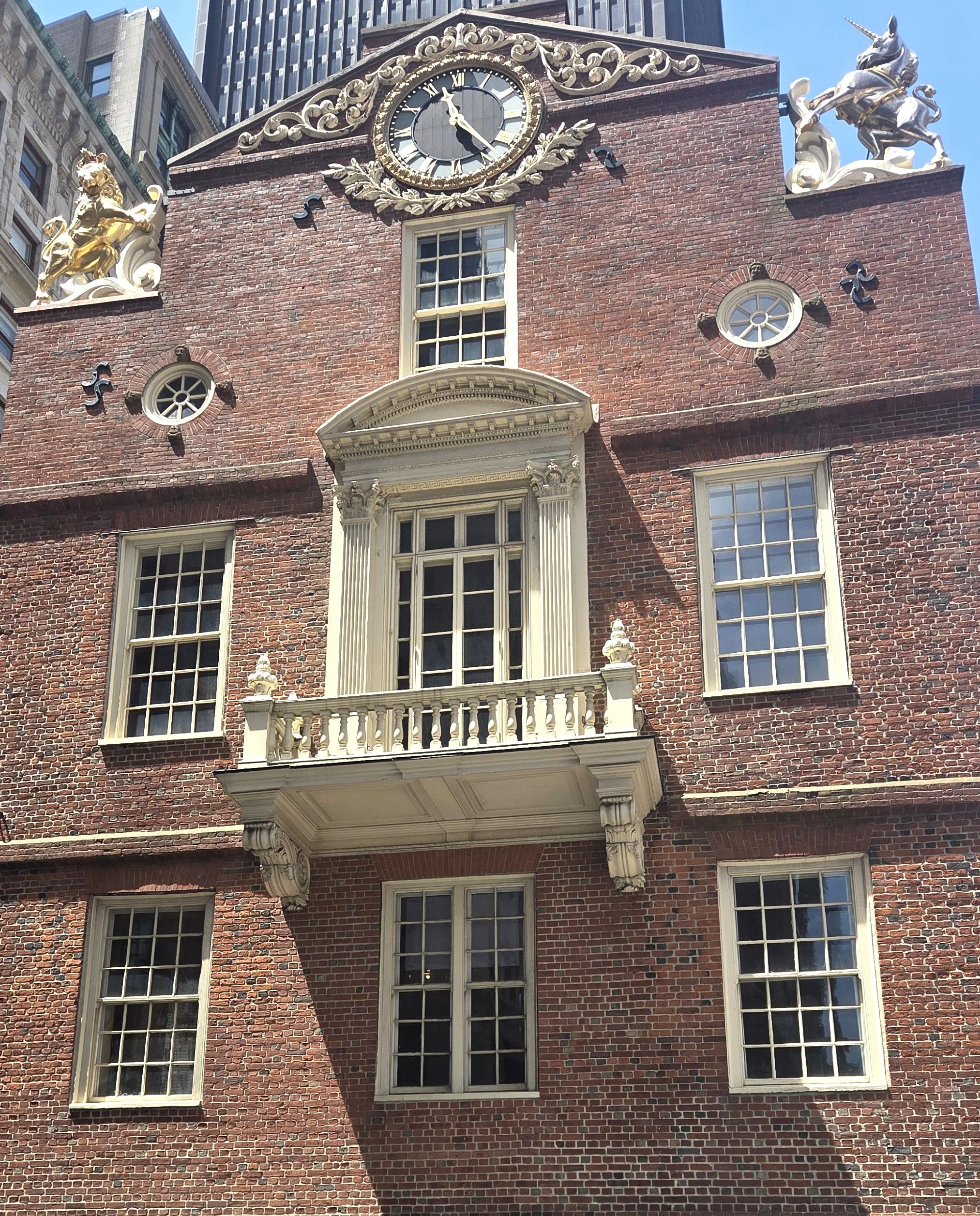
I was recently in Boston, Massachusetts, where I visited the Old State House, built in 1711 to hold the offices of the colonial governor and council. There I learned that the Declaration of Independence was read from the building’s balcony on July 18, 1776. The task of reading the Declaration fell to William Greenleaf, the sheriff of Suffolk County and my third cousin eight times removed. Unfortunately, William’s voice was quite weak so he was obliged to recruit the help of Thomas Crofts, who repeated each line after William read it.
Refugees in London
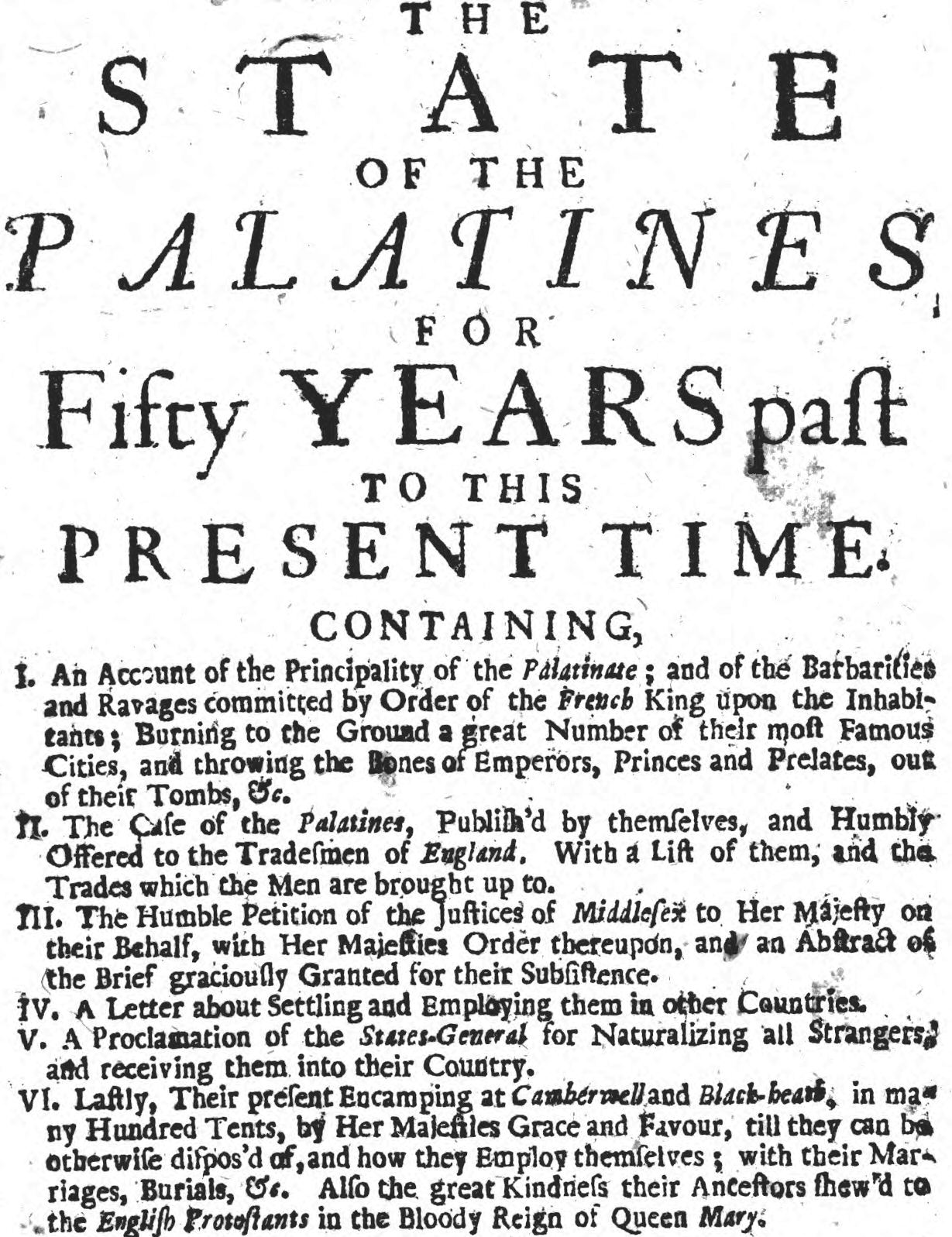
When I think of early immigration to the United States from the part of Europe that is now Germany, I tend to think of German settlers in Pennsylvania, many of whom were religious dissenters like the Mennonite ancestors I have written about in a previous post. As a result, I was quite surprised to learn that my seven-times great-grandfather, Johann Henrich Krantz, arrived in New York in 1710 and settled along the Hudson River in Ulster County. As I learned more about why he arrived when and where he did, I came to see many parallels between his experience and that of refugees and asylum seekers today.
Occupation: Legislator
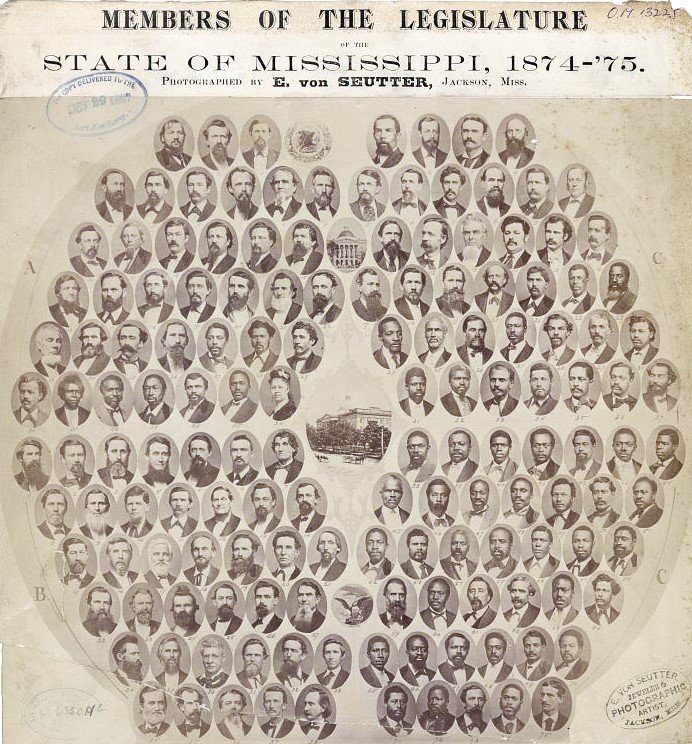
I'm running behind on blog posts because I spent the last several weeks in Washington. DC. working in the National Archives on a project related to the 66th U.S. Colored Infantry (USCI) regiment. In (belated) honor of Black History Month, I’d like to share the stories of two of the enlisted men who served in this regiment during the Civil War.

Who Needs the Mason-Dixon Line?
In reading about Pennsylvania, as I have been doing a lot lately, I have come across many references to the Mason-Dixon line, the southern boundary of the colony and eventually the state. We’re all familiar with the Mason-Dixon line, of course. It has served as a powerful symbol of the division between the free North and the slaveholding South, the line enslaved people had to cross to escape to freedom. Despite that knowledge, it had never before occurred to me to wonder why the Mason-Dixon line exists at all. It’s quite a story, involving royal patronage, feuding families, a minor war, a famous lawsuit, and some cutting-edge science.